

Genealogy is the reconstruction of biological and social relationships from records that were never written to be read together, and the work succeeds or fails on two decisions made early: which line you are actually tracing, and how you record what you find so that it can be checked later. Everything else — the databases, the DNA tests, the archive orders, the software — is downstream of those two choices. Get them wrong and you will spend years building a tree that collapses the first time someone looks at it closely.
Pedigree or family tree: pick the shape before you pick the software
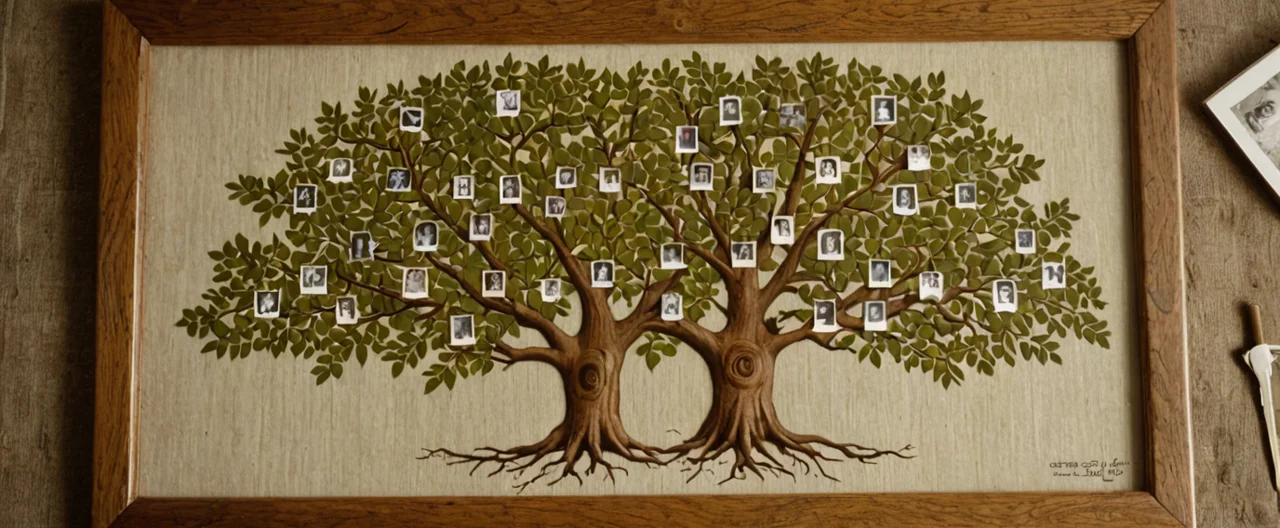
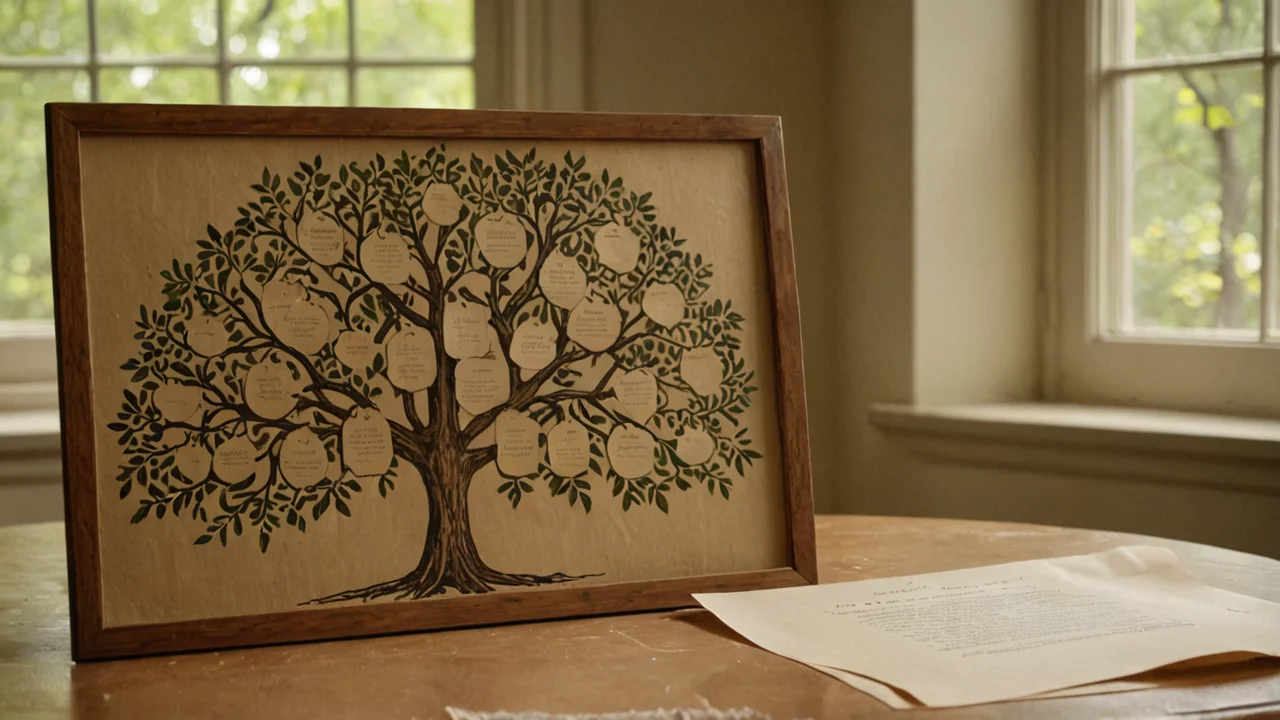
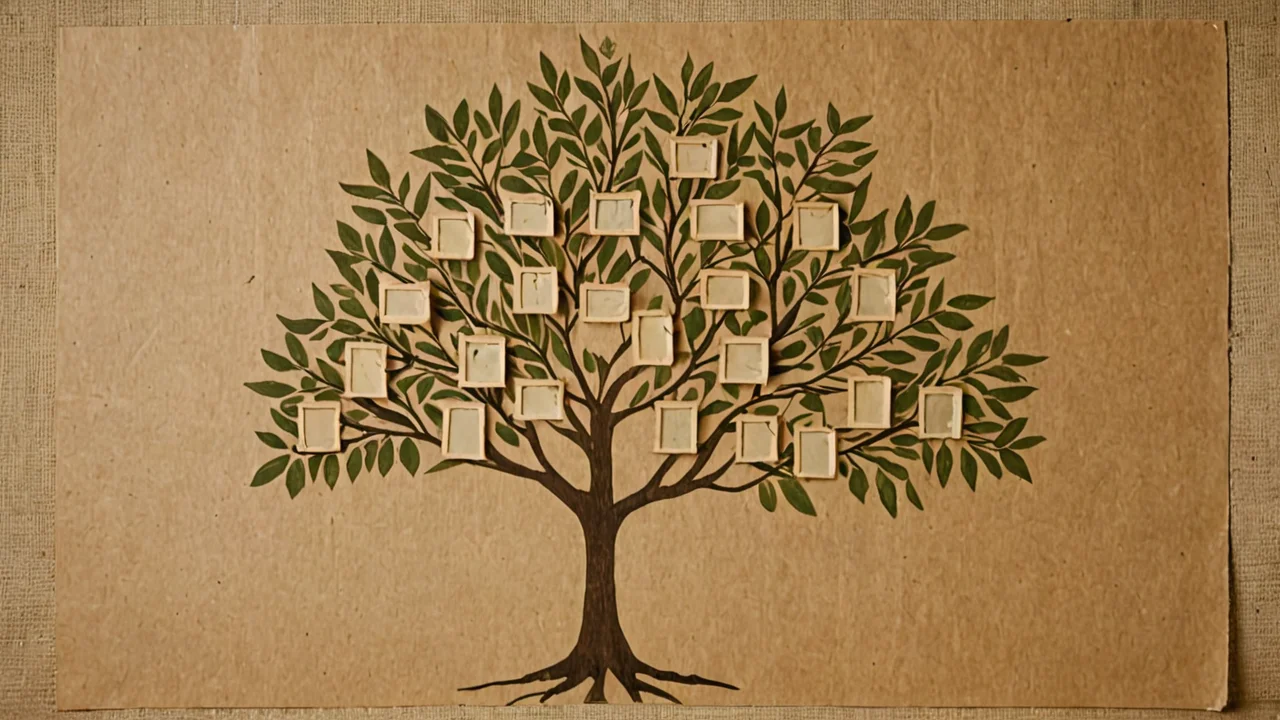
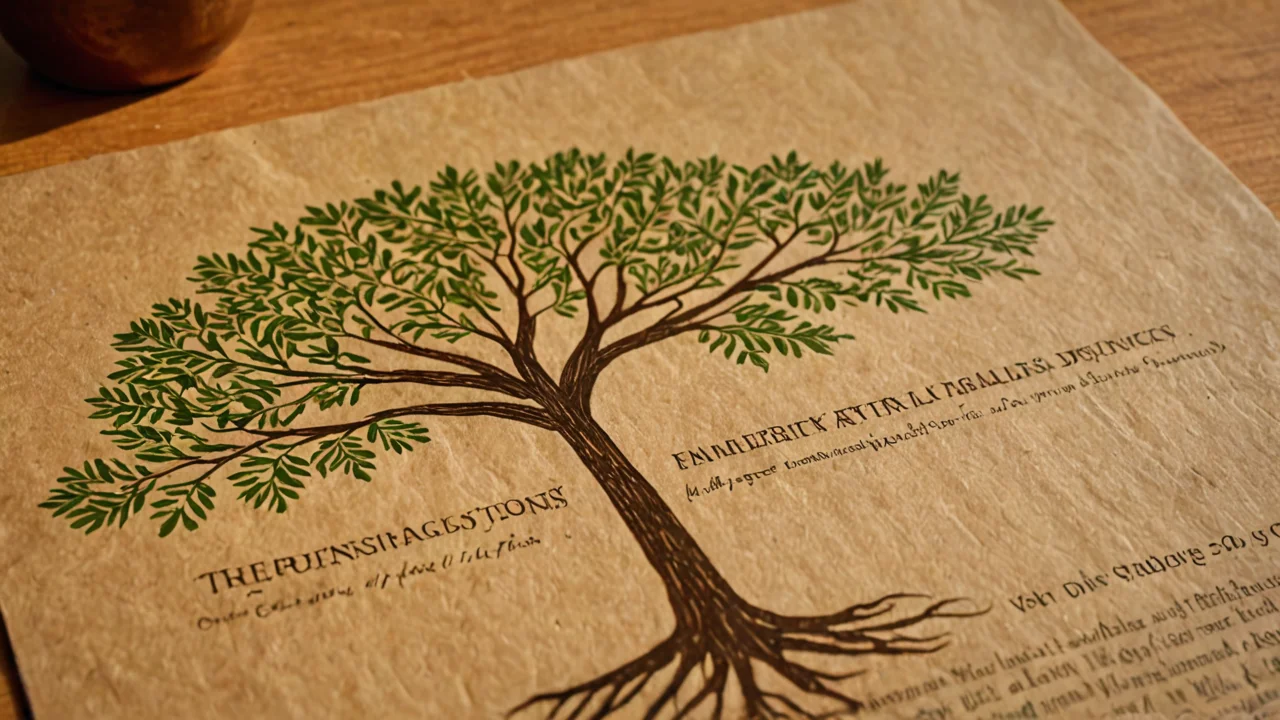
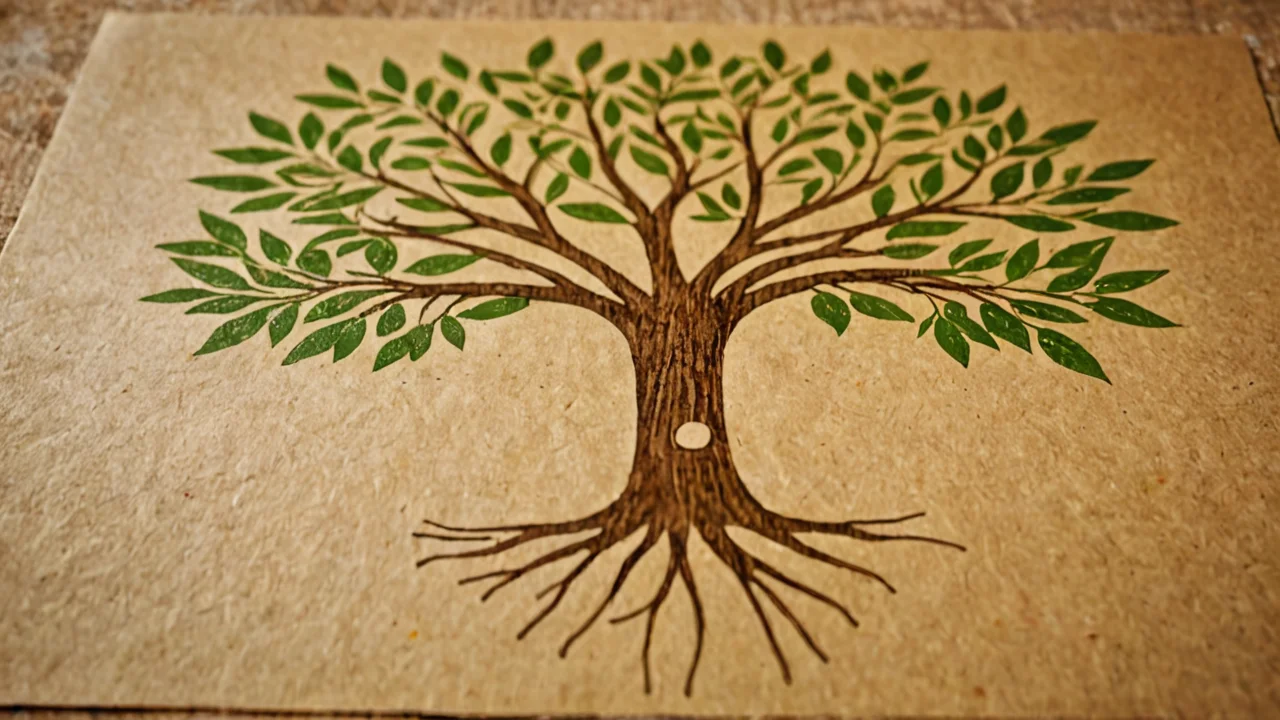
A pedigree chart shows direct ancestors generation by generation, starting with the person at the center; a family tree is a diagram of family relationships that can include ancestors, descendants, and other relatives. These are not two views of the same thing. They answer different questions, and most beginners buy software for one and then try to make it do the other.
The pedigree is the working tool. It is a straight line — you, two parents, four grandparents, eight great-grandparents — and every position on it is a slot that is either filled with a name and a source or visibly empty. That emptiness is the point. A pedigree with gaps tells you exactly where to spend the next month. It also forces a discipline that the sprawling tree does not: you cannot add a sibling of a great-grandparent to a pedigree without deciding what they are doing there, and that hesitation is useful. Most professional genealogists keep a pedigree as the spine of a project and hang the wider family off it as evidence, not as decoration.
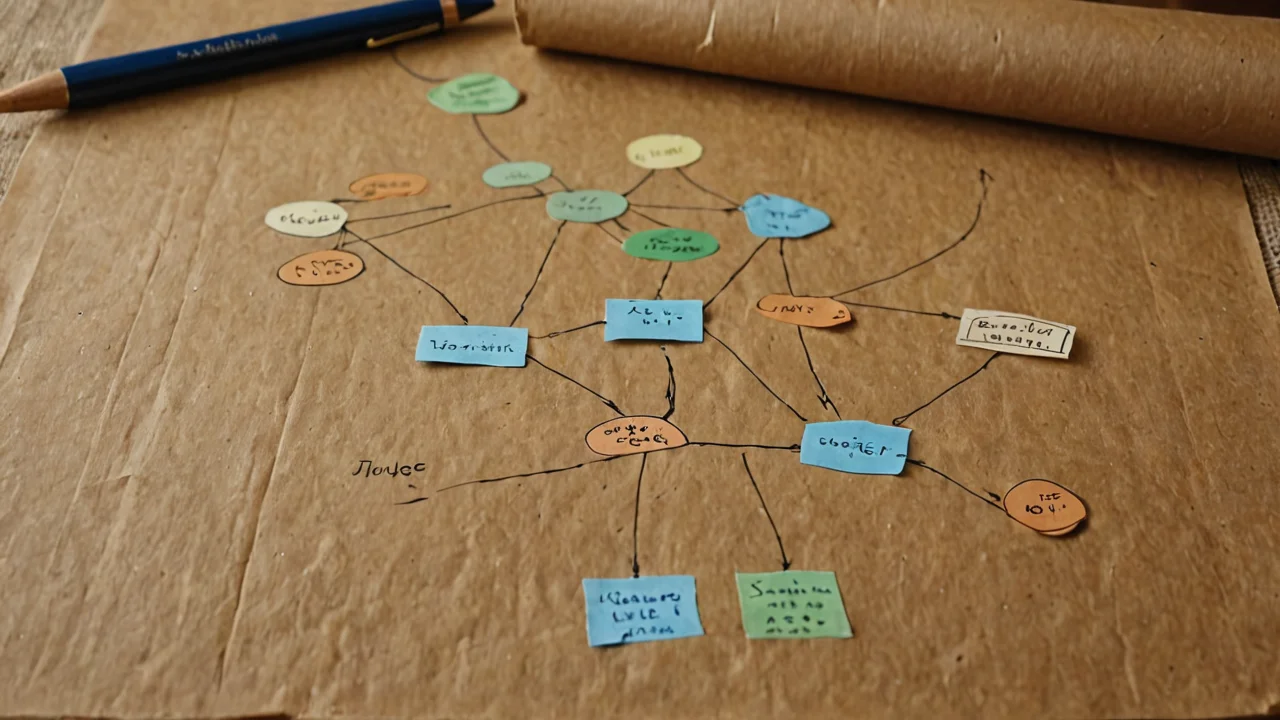
The family tree is the better instrument once you are chasing a problem sideways. People migrated with siblings, in-laws, and cousins; they witnessed each other's wills and stood as godparents to each other's children. A missing ancestor is very often found by tracing a brother. If your software only draws pedigrees, you will end up keeping that collateral research in a separate document, and separate documents drift apart. The trade-off is real: trees get large and slow, and a tree with four thousand names and no sources is worse than a pedigree with forty and a folder of certificates. Choose the tree only if you are prepared to attach a citation to every fact you enter, from the first day, before the habit sets in.
Whichever you choose, the format matters less than portability. Export to GEDCOM periodically and keep that file somewhere outside the application. Software companies get acquired and shut down; your research should survive the company that holds it.
Cousin terminology, and why it stops most people cold
A first cousin once removed is either the child of your first cousin or the first cousin of one of your parents — the relationship is one generation apart, and the direction does not change the label. The "removed" is counting generations, not distance in the family.
The naming runs on two numbers. The ordinal — first, second, third — counts back to the shared ancestor: first cousins share a grandparent, second cousins share a great-grandparent, and so on. The removal counts how many generations apart the two of you sit. If you are one generation apart, you are first cousins once removed; if you are two generations apart, first cousins twice removed. That is the whole system. It is arithmetic, not sentiment, and it is the reason the same person can be your first cousin once removed and your mother's first cousin — they are the same relationship described from two positions on the chart.
Where it goes wrong in practice is with the children of your cousins. Your cousin's child is your first cousin once removed; your own child and your cousin's child are second cousins to each other, because they share a great-grandparent and sit at the same generation. People routinely call these children "cousins" and then cannot explain the difference when a record asks. Write the precise term in your notes even when the family uses the loose one, because the loose one will not survive three generations of retelling. Half-relationships — half-siblings, half-cousins — are a separate vocabulary problem, and they matter in genealogy because they are frequently the hidden fact a record set is concealing.
The limit of all this is that cousin labels describe biology, and families do not always run on biology. An adopted child, a stepchild raised from infancy, a child taken in by grandparents — the chart has no elegant slot for any of them. Record the social relationship and the biological one separately, in plain words, and do not let a diagram decide which one counts.
What the major record sets actually give you, and in what order to use them
Work backwards and work from the most reliable record to the least. Civil registration — birth, marriage, and death certificates issued by a government — is the backbone, and it is the only record type that was created specifically to record the facts you want. Start with the death certificate of the most recent person you can document, because it gives a birthplace and parents' names, however unreliably, and that is a lead to the birth record, which is the one that actually holds.
Census returns are the next stop, and their value is not the names but the household. A census places people together at a known address on a known night, which is how you distinguish two men of the same name in the same county. The weakness is that the informant was whoever answered the door, and ages in older censuses drift by a year or two in either direction. Treat every census age as approximate and cross-check against a birth record before you build on it.
Then come the records that require you to already know roughly where to look: parish registers, land and probate records, military service files, immigration manifests, and newspapers. These are where the real discoveries are, and they are also where beginners waste the most money, because they order a document before establishing that the person was in that place at that time. Newspapers are the exception worth bending the rule for — an obituary will often hand you a sibling list and a maiden name in a single paragraph, for the price of a subscription.
The honest trade-off is between subscription databases and archives. A large subscription site gives you indexed, searchable images immediately and will cover the obvious records for a country; it will not cover the small county archive whose holdings are described only in a printed finding aid. At some point every serious project hits a record that is not online, and the cost then is a letter, a fee, or a trip. Budget for that rather than being surprised by it.
Sources, citations, and the difference between a name and a fact
Every fact you enter should carry three things: what the record said, where the record is held, and when you looked at it. A name with no source is a rumour with a date attached. The test is simple — could a stranger, given your notes, order the same document and find the same words? If not, the note is not finished.
Transcribe before you interpret. Copy the entry as written, including the spelling you think is a mistake, and then record your reading of it in a separate field. Names were spelled inconsistently by the people writing them down, and the clerk's version is a fact about the clerk. The same applies to dates: write them out in full rather than using a numeric format, because a date written as numbers is ambiguous between two conventions and you will not remember which you used.
Conflicting evidence is normal and should be kept, not resolved by deletion. Two censuses giving different birth years are both evidence; the correct move is to record both, note which you think is stronger and why, and leave the question open. Genealogy software that forces you to choose one value per field quietly destroys the reasoning that made your conclusion defensible. Use the notes field aggressively.
The cost of this discipline is time — a well-sourced project grows at a fraction of the speed of an unsourced one. That is the correct trade. An unsourced tree can be built in a weekend and is worth roughly what it cost; a sourced one is a document your family can actually use, and it is the only version that will still make sense to someone reading it in fifty years who cannot ask you what you meant.
DNA testing: what it can answer and what it quietly cannot
A DNA test answers relationship questions and nothing else. It will tell you whether two people are related and roughly how, and it will sort your matches into clusters that point at a branch of the family. It will not give you a name, a date, or a place, and it will not resolve a documentary question on its own — it tells you where to look, not what happened.
The test types are not interchangeable. Autosomal testing covers the recent generations on both sides of your family and is the right first purchase for almost everyone; its reach thins out as you go back, and it is not the tool for a deep ancestral question. Y-chromosome testing follows one paternal line and mitochondrial testing follows one maternal line — each is a single thread through your tree, useful for a specific surname or a specific maternal question, and useless for everything else. Order the test that matches the question you actually have, not the one with the largest match database.
The practical problem with DNA is that it works best when other people have tested, and the people you most need — a second cousin, a great-aunt — usually have not. Recruiting relatives is the highest-yield thing you can do with a kit, and it requires a conversation, which is where the real difficulty sits. Unexpected results are common: a match that should not exist, a branch that does not connect where the paper says it does. Decide before you test how you will handle that, because you cannot untell it.
Upload your raw data to the secondary comparison sites as well as staying in the database of the company you tested with. Each company has a different pool of testers, and a match that is invisible in one is often sitting in another. The cost is a small handling fee and the discomfort of your data existing in more places than you intended.
The order of operations that saves the most money and the most years
Interview the oldest living relatives first, before you open a single database. Ask for names, places, occupations, and the names of siblings — not for stories, which are harder to verify, but for the concrete details that let you find a record. Ask what documents exist in the house: certificates, military papers, a family bible with dates written in it, photographs with names on the back. Those are primary sources sitting in a drawer, and they are free.
Then build the pedigree backwards from yourself, one generation at a time, and refuse to skip. The temptation is to leap to the interesting ancestor three generations back, and it is the single most common cause of a tree that has to be rebuilt. You cannot reliably identify a great-great-grandfather's parents until you have established, from records, that the man you are looking at is the right man.
Keep a research log from the first week: what you searched, where, when, and what you found or did not find. Negative results are worth as much as positive ones — knowing you have already checked a parish register for a name and found nothing stops you checking it again next year. The log is the least glamorous artefact in genealogy and the one that separates a project from a pile.
Only after the documentary work has stalled should you reach for DNA, and only then will you know which question to ask it. The sequence costs patience up front and saves years of chasing the wrong family entirely. The people who regret their approach are almost never the ones who went slowly; they are the ones who copied a stranger's tree because it had their grandmother's name in it, and spent a decade defending somebody else's mistake.